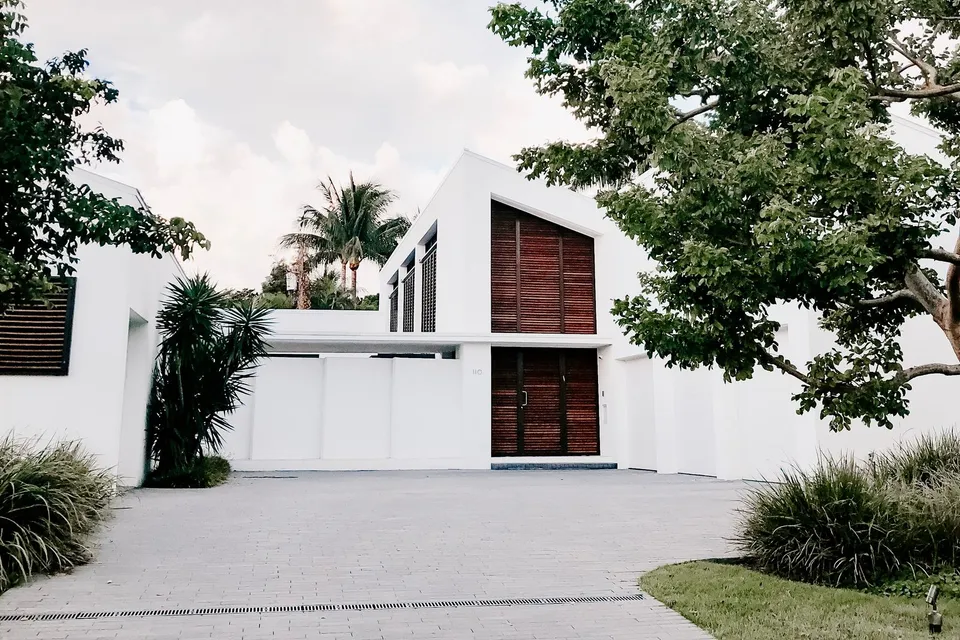
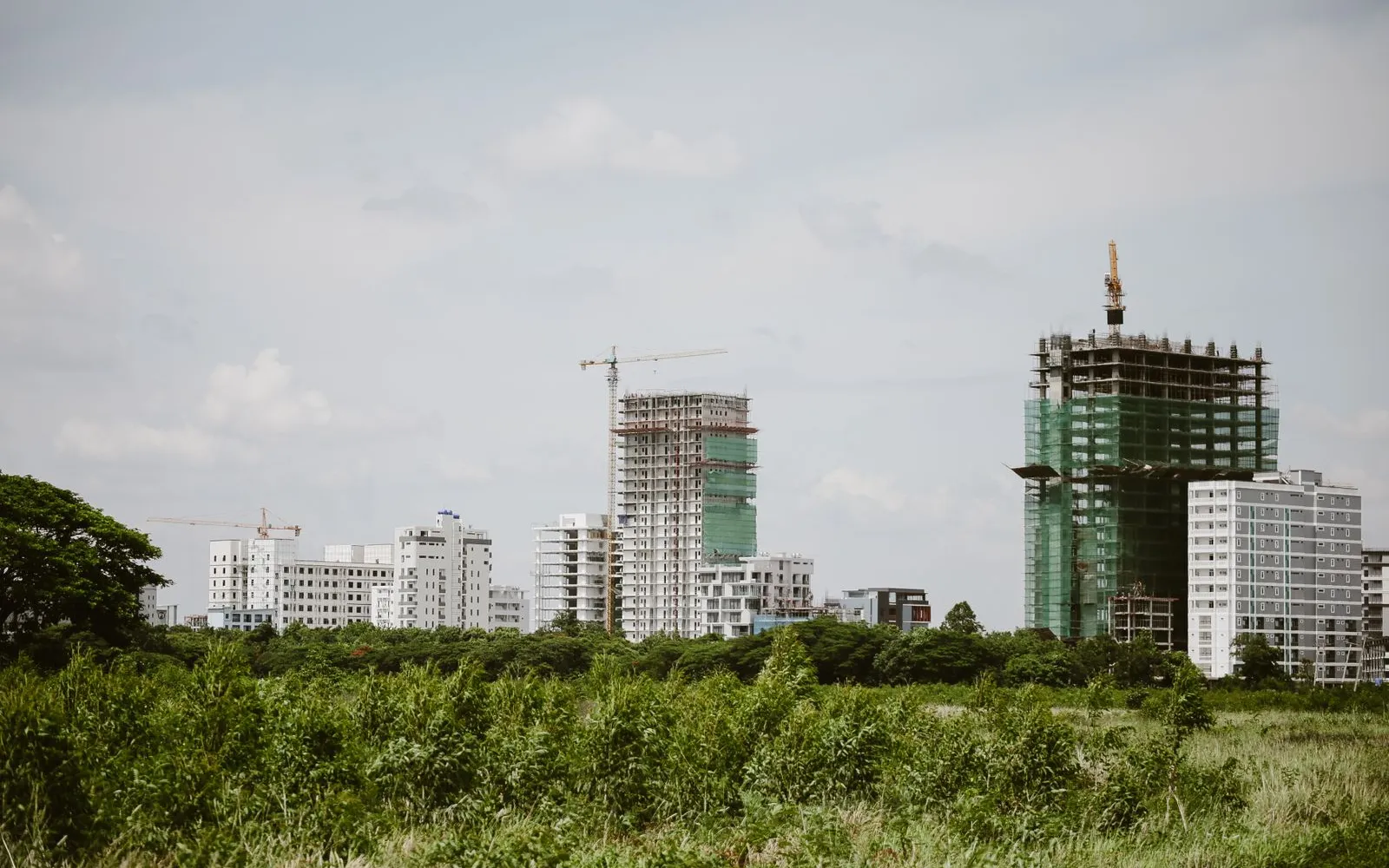
You’ve seen a tower that’s still going up.
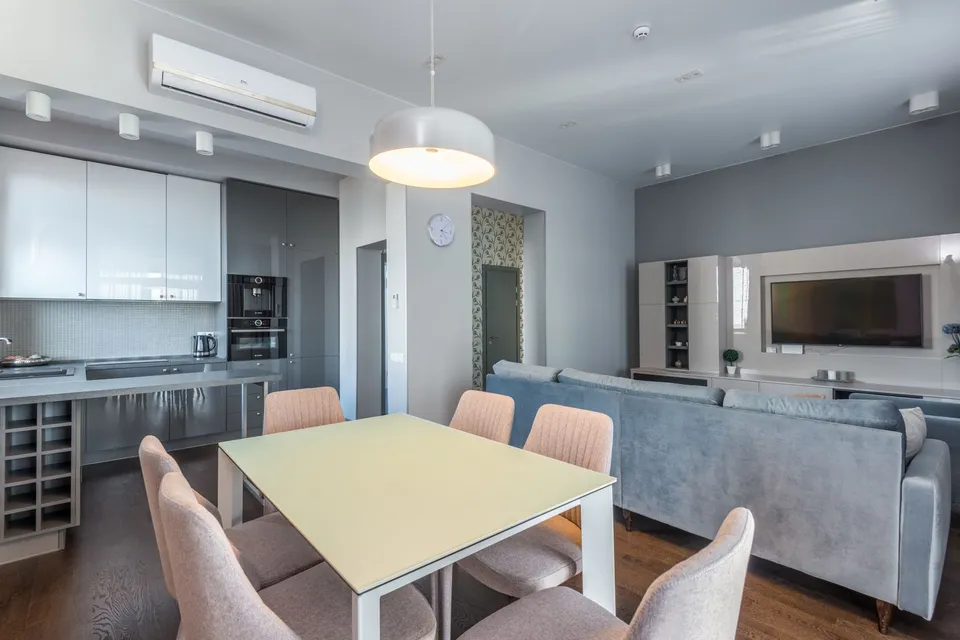
You’ve also walked through a unit you could move into next month.
One gives you time. The other gives you keys.
Some days the first feels right. Some days, the second.
It makes sense to feel pulled both ways.
They’re both good ways to buy a home.
Each one just makes sense at a different time.
This guide helps you work out when, and which time is yours.
The short answer
When people compare preselling vs RFO, they’re really comparing two timelines. Neither is the better buy, and neither is a wrong choice. Preselling makes sense when your move-in date is years away and you’d like those years to work toward the home. RFO, short for ready for occupancy, makes sense when you need the keys soon or want to see exactly what you’re buying.
Three things decide which one fits you: when you need the keys, how you’ll pay the full price, and how much you need to see before you buy. Every preselling price breakdown helps with the first, once you know where to look. It says how long the downpayment runs and when you can move in. On the studio worked through below, the downpayment runs 60 months, and you move in once the full price is paid.
If the lists of pros and cons left you more unsure, that’s understandable. They compare the two options well. They just can’t know your date.
And if you’re also weighing a condo against a house and lot, that’s its own decision, with its own guide to which one fits you.
How each one works
Preselling means you reserve a unit before the building is finished. You choose it from a floor plan, the developer’s specifications and pictures of how the building will look. Then you pay the downpayment in monthly installments while it’s being built. Developers call those years the equity phase. The rest of the price, the balance, comes at the end, in cash or through a bank loan. That step is called loan takeout: a bank pays the developer, and you start paying the bank.
RFO means the building is finished. You walk through the actual unit, on its actual floor, before you pay anything. There are no building years to spread the payments over, so the price is paid on a much shorter clock, in cash or through a loan, and you move in once that’s done. How short the clock is depends on the seller’s terms, so ask for the RFO unit’s own breakdown.
When preselling makes sense
Preselling makes sense when time is on your side.
- Your move-in date is years away. You’re renting, living with family, or working abroad with a return date in mind. The building years run alongside years you’d be waiting anyway.
- You’d like the downpayment spread out. It’s paid in smaller monthly amounts while the building goes up, so you aren’t finding it all at once.
- You want time to get ready for the balance. The years before the bank stage give you room to save, clear other debts or grow your income, so the loan you apply for is one you’re ready to carry.
- You’d like more units to choose from. While a project is still selling, more floors, views and layouts are open than will be left once it’s finished.
What it asks in return is patience and a plan. You’re choosing from a floor plan rather than a finished room, and the keys come after the building years. Buildings can finish later than planned, so leave some room in your own timeline. And the full price is paid before you move in, so your plan has to reach that day.
One check is worth making before you reserve: ask for the project’s License to Sell number. A developer needs one from DHSUD to sell preselling units, and a brochure that says “approved” isn’t something you can check. The number is.
When RFO makes sense
RFO makes sense when you’d like certainty now.
- You need a home soon. A lease is ending, the family is growing, or a new job starts in a few months. A finished home is the one that can meet a date like that.
- You want to see exactly what you’re buying. You can stand in the unit, check the view from that floor, see the light at different hours and hear the street below. Nothing is left to a picture.
- You can carry the full price now. You have the cash, or a loan payment that fits your budget today.
- You’d like it to start earning soon. A finished unit can be rented out once it’s yours, within the building’s rules, instead of years from now.
What it asks in return is readiness. The full price comes on a short clock, so the cash or the loan has to be in place now. And by the time a building is finished, the units bought while it was going up are gone, so you choose from what’s left. To compare an RFO unit fairly with a preselling one, ask for its breakdown too, and compare the totals, charges included, not the monthlies.
When either could work
Sometimes both make sense, and that’s a good place to be.
If you’d like a home ready by a set date, two years or five from now, there are two routes to it. One is a preselling unit timed so the keys arrive near that date. The other is a ready home you buy now and hold until then. The first spreads the cost over the wait. The second gives you a finished home to rent out or lend to family in the meantime, and asks for the full price sooner.
And if neither fits yet, renting a little longer while you save is a plan too. Everything on this page still applies when you’re ready.
Side by side
| Preselling | RFO | |
|---|---|---|
| When you get the keys | After the building is finished and the full price is paid | Once the full price is paid, with no building to wait for |
| What you see before you pay | A floor plan, specifications, pictures and sometimes a model unit | The actual unit, on its actual floor |
| How the price is paid | A downpayment spread over the building years, then the balance in cash or through a loan | The full price on a short clock, in cash or through a loan |
| Choice of unit and floor | Wider while the project is still selling | What’s left once the building is finished |
| What you plan around | The completion date, and being ready for the balance | Having the cash or the loan ready now |
| Makes most sense when | Your move-in date is years away | You need the keys soon, or want to see it first |
How to tell which one makes sense for you
Three questions, answered honestly, will point you most of the way. A real price breakdown shows where to find each answer.
1. When do you need the keys?
Write down the month you’d like to move in. Then find two lines on any preselling breakdown: how long the downpayment runs, and when you can move in.
Here’s a real one: a 24.80 sqm studio in Mactan, from one of the preselling projects I currently represent. Its downpayment runs 60 months. Its price list says the buyer can’t move in until the total contract price is fully paid, along with the utility and loan charges. The total contract price, or TCP, is the full amount you’re agreeing to pay, charges included.
So on this payment plan, you’d be planning on at least five years before the keys. Ask for the project’s turnover date as well, because the building has to be finished too. If your month comes sooner, RFO is the one that can meet it. If it comes later, preselling can line up with it.
2. How will you pay the full price?
This is the question the monthly can hide, so it’s worth taking slowly.
On the studio, the downpayment is ₱10,300 a month. Together with the ₱30,000 reservation fee, those 60 payments cover a tenth of the price. The other 90%, ₱5,826,600, is the balance.
These figures are the developer’s own, from its current price list for this tower. Both prices and availability move.
When a bank takes over the balance, you get a new monthly. At an example rate of 8% over 20 years, it would be ₱48,736. That’s an example rate. It isn’t a quote from any bank, and nobody can tell you your rate until a bank has looked at your application.
Here’s what the downpayment years can do when you use them. Try paying ₱48,736 a month from the very first month. ₱10,300 goes to the developer, and you set aside the other ₱38,436. After 60 months, you’d have ₱2,306,161 saved. I worked those figures out myself, from the price list.
You’d reach the bank stage with savings behind you and five years of practice living on the bigger monthly. Ask the developer and your bank how savings like these can be used at that stage, so you know before you reserve whether they can lower what you borrow or stay with you as a cushion.
The same figure helps if you’re leaning toward RFO. A loan of ₱5,826,600 at that example rate costs ₱48,736 a month from the first month, whatever the property. It’s the same number, read from the other side.
A long commitment can still feel heavy. One buyer put it plainly:
“It honestly scares me sometimes thinking about committing to something that long. But I also know I wouldn’t be able to buy something like this in cash unless I take the risk.”
Comment on a Philippine property video
That feeling deserves a plan, not a push. The usual advice is to pick a monthly you can manage, or to buy only what you can pay for outright. Both are sound. Neither tells you which of the two makes sense for you. Your date and the full price do.
Whichever you choose, the price list also names what its price leaves out:
- move-in charges
- utility connections for electricity, water and internet
- association dues
- the loan-release charges, fire insurance and mortgage redemption insurance among them
The sheet gives none of them a figure. Ask for each in writing on any unit you’re considering, preselling or RFO.
3. How much do you need to see before you buy?
You may be comfortable choosing from a floor plan, the specifications and a model unit. Or you may need to stand in the room. Both are reasonable, and it helps to be honest with yourself about which you are. If seeing the finished unit matters a lot to you, RFO gives you that. If a plan is enough, preselling stays open. Read the floor plan with a tape measure in hand, though, because a room on paper can feel different from one you stand in.
If you’d like to see these choices from the angle of why you’re buying, the three types of property buyers walks through each one.
What I think
I think both are good ways to buy a home, and neither is the smarter one. Your date decides which one makes sense for you.
Still, there is one thing I would want you to know about preselling. Its years are only as useful as the plan you make for them. The downpayment is the part that is easy to see. The balance at the end is the part that needs the planning, and the time before it is there to help you get ready.
So the question I would put to you is a gentle one. Could a monthly like ₱48,736 fit your budget today?
If it could, both are open to you, and your move-in date can choose. If not yet, you still have good routes. A preselling unit gives you years to save toward the balance and grow into the monthly. A smaller ready home may fit the budget you have now. And more time renting, with your savings growing, keeps every option open. Any of them can lead to a home you are glad you bought.
When to wait, or look at the other one. Preselling may not be the right fit if you need a place to live soon, or if there’s a real chance you’ll need that money for something else before the building is finished. RFO may not be the right fit yet if you need a few more years to be ready for the full price. And with either one, look past the monthly to the whole cost before you decide.
Before we look at a single unit, I ask which comes first for you: budget, location or timing. When timing comes first, it can settle preselling or RFO before we’ve seen anything at all.
Questions
Can I see a preselling unit before I buy?
Not the finished one, because it hasn’t been built yet. You choose from the floor plan, the specifications and, where the developer has one, a model unit. Pictures of the building are artist’s renderings, so read them as the plan rather than the finished room.
When can I move into a preselling unit?
After the building is finished and the full price is paid. On the studio above, the price list says the buyer can’t move in until the total contract price and the utility and loan charges are settled. Ask for the turnover date on the project you’re considering, and read your own unit’s payment terms, because both vary by project.
Is an RFO unit always more expensive?
That can’t be answered in general, and a fair comparison takes a little work. Compare units of the same size, in the same area or building, and compare the total price, charges included, not the monthly. Then weigh what each total gives you: keys now, or years to pay.
Can I rent out an RFO unit right away?
Once it’s turned over to you, yes, within the building’s leasing rules. Read those rules before you buy, because they can limit short stays or set conditions on tenants. And check what similar units in that building actually rent for, since an empty month still has dues.
The one thing to take with you
The right one is the one that fits your date.
It’s natural to want both: the time preselling gives you and the keys RFO hands you today. You don’t have to choose blind. Once you know your month, most of the choice is already made.
Decide the month you’d like the keys before you visit anything. Then ask for the unit’s whole breakdown, bank stage included, preselling or RFO, and see whether it can meet that month. Then run my studio figures against your own bank’s rates. If they don’t hold, tell me.
Know the month you need the keys before you look at a single price. Either choice can be a good one, once it’s the one that fits that month.
If you’d like a unit you’re weighing up worked through the same way, send me a message on Messenger. You don’t have to be my client for that.
Message me on Messenger