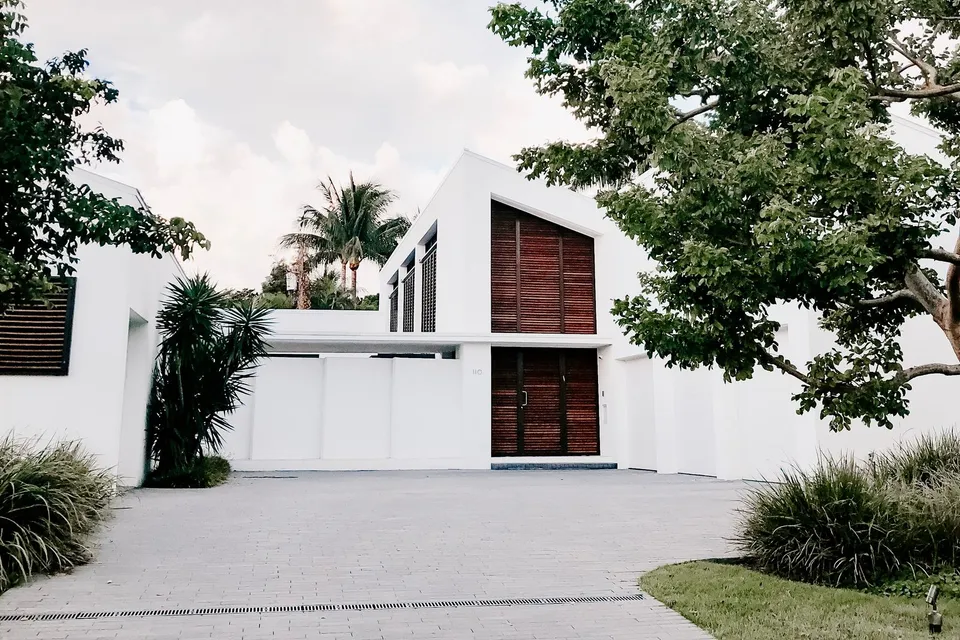
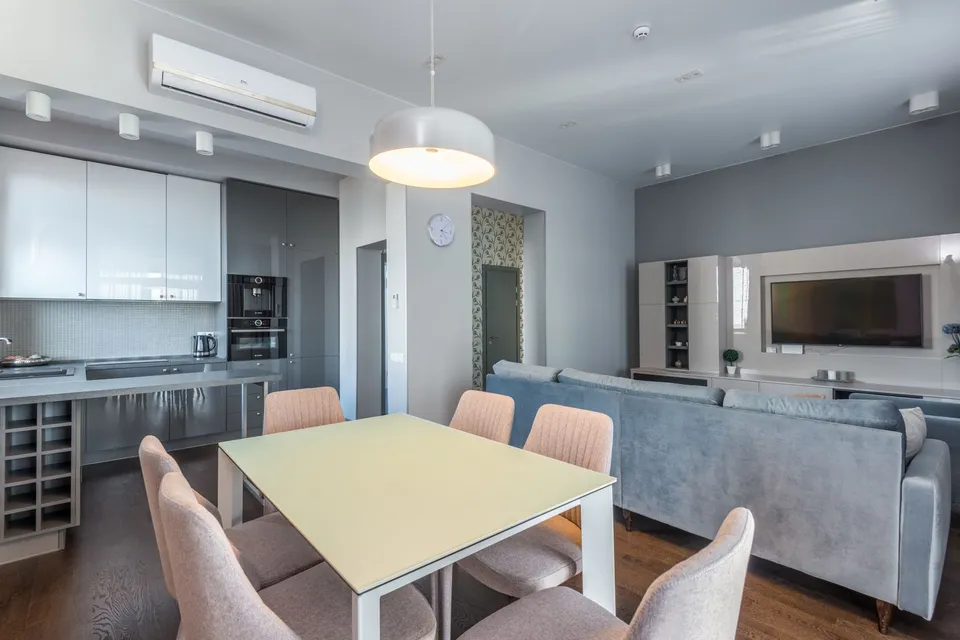
You’re ready to buy a home.
Then comes the real question.
A condo near work, or a house and lot with a yard farther out?
Someone in the family says land always goes up.
A friend says a condo saves you the traffic.
Both sound right, and both can be.
Each one fits a different buyer.
This guide helps you work out which one you are.
The quick answer
There’s no one-size-fits-all answer. A condo is the better buy for some people, and a house and lot for others.
Which one fits you depends on your own situation: your budget, where you spend your days, how soon you need to move in, whether you’ll live in it or rent it out, and how much upkeep you’re willing to take on. One of those usually can’t move, and that one decides the most.
Here’s how the two compare, point by point.
| House and lot | Condominium | |
|---|---|---|
| What you own | The lot and the house on it | Your unit, plus a share of the land and shared spaces with every other owner |
| How the price is quoted | For the lot and the house together | Per square meter of the unit’s floor area |
| Monthly dues | Homeowners’ association dues, where the subdivision has one | Association dues, charged by the size of your unit |
| Maintenance | Everything, inside and out | Inside your unit; the shared spaces through dues |
| Space | Lot area plus floor area | Floor area only |
| Location | More often outside the city center | More often in the city center |
| Resale | The land keeps a value of its own as the house ages | Competes with similar units in the same building |
None of these rows picks a winner. Which side of each one suits you is what decides it.
Part 1: The basics
What is a house and lot?
You buy a piece of land and the house built on it, together. It comes in four common forms:
- Single-detached: a house standing alone on its lot, open on all sides.
- Duplex: two homes sharing one wall, each on its own lot.
- Townhouse: homes joined side by side in a row, usually two storeys, each on a narrow lot of its own.
- Rowhouse: a longer row of joined homes, usually smaller and simpler than a townhouse.
What is a condominium?
You own one unit inside a building outright, plus a share of everything the owners hold in common. Here’s what the sizes look like on the price lists for two Cebu towers, both among the preselling projects I currently represent:
| Unit type | Floor area |
|---|---|
| Studio | 23.79 to 27.86 sqm |
| 1-bedroom | 39.29 to 57.91 sqm |
| 2-bedroom | 66.83 to 96.74 sqm |
| 3-bedroom | 103.59 to 182.08 sqm |
These figures are the developer’s own, from its current price lists for both towers.
Subdivisions, gated communities and condo buildings
A subdivision is land divided into lots, with roads and shared spaces such as a park or a clubhouse. A gated community is a subdivision with controlled entry. A condo building stacks the homes on a single lot, so everyone shares one structure, one lobby and one set of elevators.
Both are run by their owners. A subdivision usually has a homeowners’ association. A condo has a corporation or association of its unit owners. Either one collects dues, looks after what’s shared, and sets the house rules you’ll live under.
New, resale and foreclosed
There are three places to buy from, each with its own trade-off:
- New, from the developer. You buy on the developer’s own price list and payment terms, with the specifications in writing. The trade-off, if it isn’t built yet, is the wait.
- Resale, from an owner. You see the actual home before you commit. The trade-off is a private deal: the seller’s paperwork, the seller’s timeline, and slower bank financing.
- Foreclosed, from a bank. The smallest slice. It’s usually sold as it stands, so the condition, and whether anyone still lives there, is yours to check.
One resale buyer put the financing problem precisely:
“Bank financing takes longer around 3-5 months since the bank has to issue a letter of guarantee to the seller and waits until the title is in the borrowers name before releasing the balance(80%). The seller (non-developer) may not have the patience to wait that long and you lose the opportunity to buy.”
Comment on a Philippine property video
RFO, preselling and under construction
Ready for occupancy (RFO) is finished: you move in once it’s paid or financed. Preselling is sold before construction or at its start, with the downpayment spread over the building years. Under construction sits in between.
Preselling usually costs less because you fund part of the project early and wait for the result. The wait is the trade. You get the keys at turnover, years later, and most of the price falls due then. On one IT Park studio I’ve worked through, the balance at the end is 88% of the total contract price, payable in cash or through a bank loan.
Lot area vs. floor area
Listings quote one or the other, and the two are easy to mix up.
Lot area is the land. Floor area is the living space inside, added up across every floor.
Say a two-storey house sits on a 100 sqm lot, with 60 sqm on each floor. The lot area is 100 sqm. The floor area is 120 sqm. Divide the same price by each, and the second per-sqm figure comes out about 17% lower than the first.
So two listings only compare per square meter if both used the same area. Check which one each listing divided by.
A condo unit has no lot of its own, which is why condo prices per square meter are always on floor area.
Part 2: Ownership and the law
What you actually own
With a house and lot, you own the land and the house on it.
With a condo, you own your unit outright, on its own title. The land, the structure, the lobby and the amenities belong to all the owners together, and each owner’s share follows the size of their unit.
That share of the ground is small. On one IT Park tower I represent, the lot is 5,828 sqm and tower 1 has 709 units: about 8.2 sqm of land per unit, on average. These figures are the developer’s own, from its project fact sheet; the 8.2 is my own division.
Land titles in brief
A house and lot comes with a land title. A condo unit comes with a Condominium Certificate of Title, which covers the unit. Both are issued by the Registry of Deeds.
Checking a title at the Registry of Deeds
The original of every title is kept at the Registry of Deeds for the place where the property sits, and you can ask that office for a certified true copy. Comparing it with the copy a seller hands you is a basic step in any resale, and one I’m glad to go through with you. If the two don’t match, or the certified copy shows entries the seller hasn’t explained, the next step is a lawyer’s review of the title before any money changes hands.
Homeowners’ associations and condominium corporations
They do the same job at different sizes: collect dues, look after what the owners share, and set the rules. Ask for the current dues and the house rules in writing before you reserve. Neither one is on a developer’s price list, and both apply for as long as you own.
Foreigners and property
The short version: a foreigner can own a condo unit, as long as foreign ownership in the project stays within 40%. A foreigner can’t own land, so a house and lot is off the table. How the purchase is structured from there is worth setting up with a lawyer from the start, and I’m glad to work alongside them on the property side.
Having the documents checked
The documents you sign set out what you’re agreeing to: the payment terms, the deadlines, and what each side must do. For a new unit that means the reservation documents and the Contract to Sell; for a resale, the deed of sale.
Ask for copies before you pay, not on the day you sign, so there’s time to read them properly. A lawyer is the right person to tell you what they mean for you, and I’m glad to help my clients get the documents and the questions ready for them.
Part 3: Real costs
Price per sqm: why the two don’t compare
A condo’s price per square meter and a house and lot’s measure different things, so they don’t compare directly. Two things explain it.
The first is what the price is divided by. A condo’s price is spread over its floor area alone, because the land under it is shared and adds almost nothing to any one unit’s measured area. A house-and-lot price is spread over a lot and a house. The two per-sqm figures measure different things, so they don’t belong side by side.
The second is size. In the same building, smaller units cost more per square meter. Part of the reason is that every unit needs a kitchen, a bathroom, a door and its share of the corridor, whatever its size, and those weigh more in a small one. Both price lists I hold show it:
| IT Park tower | Mactan tower | |
|---|---|---|
| Studio, median list price per sqm | ₱298,810 | ₱241,709 |
| 1-bedroom, median list price per sqm | ₱287,055 | ₱210,053 |
| Studio premium per sqm | 4.1% | 15.1% |
These figures are the developer’s own, from its current price lists for both towers. I worked out the medians and the premiums myself. Both prices and availability move.
Single sheets I hold from two other developers land inside the same band: ₱296,465 per sqm for a 1-bedroom and ₱318,881 for a studio, from those developers’ own sample computations.
Ten years of owning it
The price is the smaller part of a long-term comparison. What counts is the cost of owning it over the years you’ll hold it: price, loan interest, dues, upkeep, taxes and insurance, minus what it earns in rent or brings back when you sell.
The two types load those costs differently. A condo puts them in dues, which are steady and predictable. A house puts them in repairs, which come irregularly and are yours to arrange. Which one costs more over ten years depends entirely on the unit and the house you’re comparing.
Association dues
Dues pay to run everything the owners share: security, cleaning, the lobby, the elevators, the amenities, the backup power. In a condo, they’re charged by unit size, so a bigger unit pays more every month.
“Association dues are also based on the size of your unit. This is one of the cost that buyers forget to consider.”
Comment on a Philippine property video
The developer price lists I hold say outright that dues aren’t in the price. Treat the current rate as part of the purchase and get it in writing, because you’ll pay it for as long as you own the unit.
Maintenance and repairs
The split is simple. In a house, every repair is yours: the roof, the gutters, the water pump, the walls, the fence. In a condo, you maintain the inside of your unit, and the building’s shared parts are paid for out of everyone’s dues.
Taxes when you buy, own and sell
The taxes and fees to know by name:
- When you buy: value-added tax (already inside the price on the developer price lists I hold), documentary stamp tax, local transfer tax, and registration fees.
- While you own: real property tax, paid every year to the city or municipality.
- When you sell: capital gains tax (or income tax, if you sell property as a business) and documentary stamp tax.
Who pays which one is set in each sale’s documents, so check yours. On the two Cebu towers I represent, the developer adds transfer and registration charges at exactly 8% of the list price, on every unit on both price lists. That figure is the developer’s own; the 8% is my own division. Budget for it on top of the list price, not inside it.
The costs nobody mentions
The developer price lists I hold name what they leave out:
- Move-in charges
- Utility connections: electricity, water, telephone and internet
- Association dues
- Charges that come with releasing a loan, such as fire insurance and mortgage redemption insurance
Parking is priced apart from the unit; one 3-bedroom sheet lists two parking slots as their own lines. And a bare unit needs fitting out before anyone can live in it.
A house has its own version: the fence, the gate, a carport, window grilles, and any extension you plan to build.
Part 4: Financing
Cash, bank loan, Pag-IBIG or in-house
| How it works | What to weigh | |
|---|---|---|
| Cash | You pay in full, or pay the balance in one amount | No interest; the whole sum has to be ready on the due date |
| Bank loan | A bank pays the seller and you repay the bank | Each bank sets its own rate, term and loan limit |
| Pag-IBIG | The government’s housing fund lends to its members | Up to ₱10 million over up to 30 years, from 5.75% depending on how long the rate is fixed |
| In-house | The developer stretches the payments itself | Offered on some projects; compare its rate with a bank’s before choosing it |
The Pag-IBIG figures are the fund’s own, as announced in May 2026.
Here’s what the choice is worth on a real balance. Take the ₱6,474,376 owed at the end on that IT Park studio. At Pag-IBIG’s 5.75% over 30 years, the monthly is ₱37,783. At an example bank rate of 6% over 20 years, it’s ₱46,384. I worked out both as standard monthly amortizations, and neither is a quote. Pag-IBIG holds its rate only for the fixing period you pick; after that, it can change.
How banks decide how much to lend you
A bank looks at two things. Can your income carry the monthly? And what’s the property worth by the bank’s own valuation? The loan is sized from that valuation, not from the developer’s price list alone.
That’s why loan eligibility is worth checking before the site visit, not after you’ve reserved.
Condo and house-and-lot financing
Banks set their terms by property type: how much they’ll lend as a share of the appraised value, and for how many years. Those terms differ from bank to bank and change over time, so compare offers for the type you’re actually buying.
The term moves the monthly more than anything else. A longer one lowers it, and raises the total interest you pay over the life of the loan.
Part 5: Living in it
A day in each
A condo hands the shared work to the building: security, cleaning, backup power and the amenities are run for you, paid through dues, and bounded by house rules. A subdivision home gives you a front door at street level, a yard, and fewer neighbors through the walls, with more of the upkeep in your own hands.
Buyers argue about this constantly, and the argument never settles, because each side is describing a different priority. One camp counts the upkeep of a house. Another counts how far many subdivisions sit from where people work. A third would rather pay dues to live within reach of the office, the mall and the hospital.
Space, privacy, noise, pets and parking
A house gives you a lot as well as floor area and, unless it’s a townhouse or a duplex, no shared walls. A condo shares walls, floors and ceilings with its neighbors, so how the building was built and where your unit sits in it become part of what you’re buying.
Pets and renovation hours are set by each building’s rules; get them in writing. Condo parking is usually sold separately, with its own price. In a house, parking is the carport on the lot, or the one you build.
Flooding, earthquakes and fire
The first check is the same for both. Put the exact location into HazardHunterPH, the government’s free hazard tool. It reports earthquake, volcano, flood and landslide hazards for the spot you pick.
After that, the risks differ. A house sits at ground level, so the flood assessment for that exact lot matters most. A tower depends on its power and its elevators, and Cebu found out what that means in December 2021:
“on 2021 super typhoon Odette ravaged Cebu City causing a massive blackout for a month-- imagine going to your 20th floor home without an elevator? True story.”
Comment on a Philippine property video
Before you choose a high floor, ask exactly what the backup generator powers, and for how long. On the visit, check the fire exits and alarms on your floor.
Life stage
Life stage is a fair starting guess and a poor way to decide. The usual advice maps the property to it, a condo for the single professional and a house for the growing family, and skips the thing that actually binds you.
A family whose fixed point is the school run may be better off in a condo near the school than in a house an hour away. A retiree whose fixed point is a monthly budget may find the dues weigh more than the stairs. Your life stage tells you what you want. Your anchor tells you what you can’t give up. I’ve set life stage next to budget, work location, lifestyle and long-term plans in how to know whether a house and lot or a condo fits you.
Renovation freedom
A house can be extended, refaced or built up, within the subdivision’s restrictions and the city’s building permit. A condo unit can be changed on the inside, within the building’s rules on what can change and when. The outside, the windows and the structure aren’t yours to touch.
Part 6: Location and the market
Why condos rise in the center and subdivisions spread out
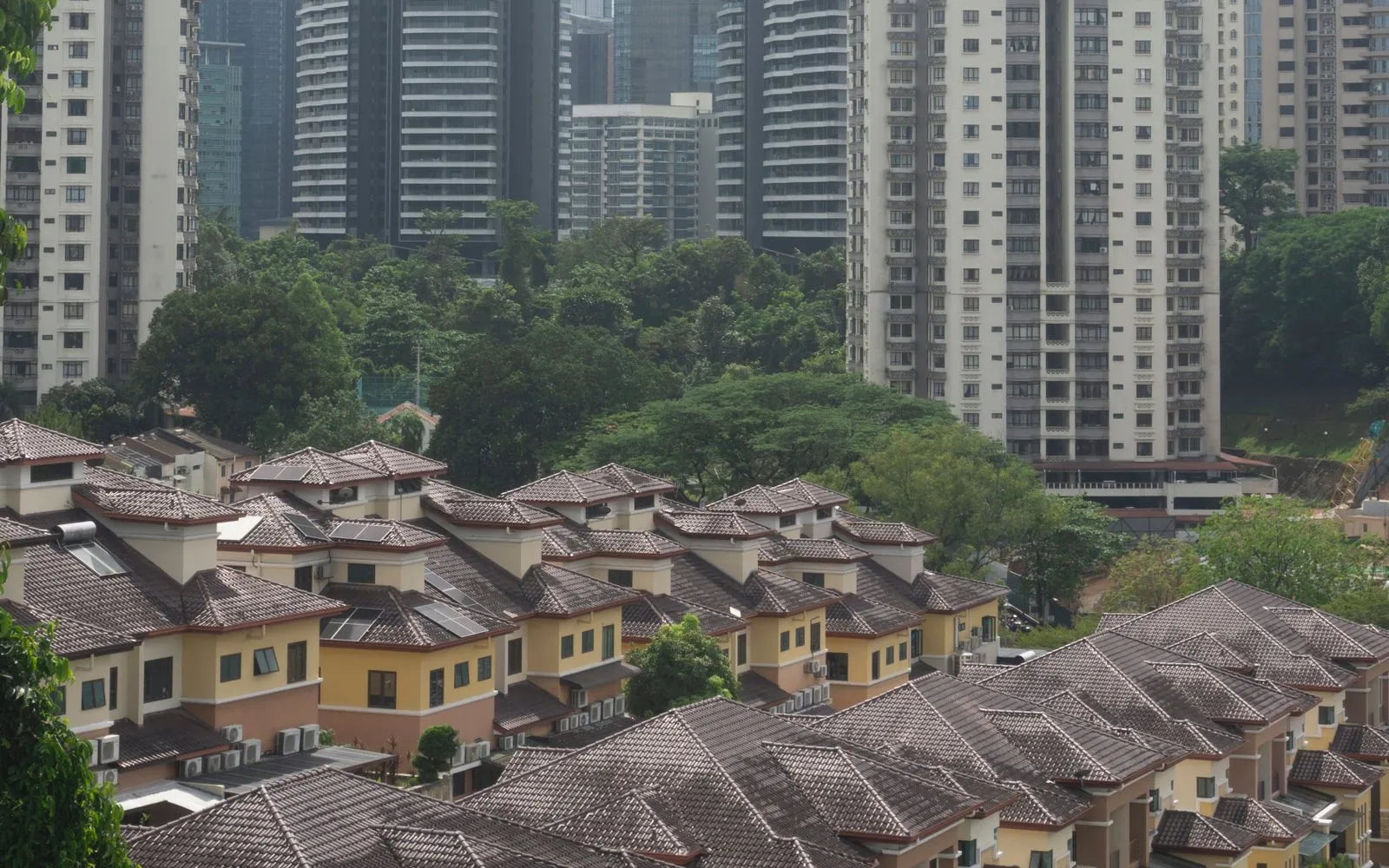
Land costs the most where the jobs, shops and services are. Building up spreads that land cost across many units, which is why towers cluster in the center. Farther out, land is bigger and cheaper, and homes spread across it. The trade in one line: a condo buys you location, a house buys you space.
Commute math
A commute is a cost you pay in hours, and it adds up.
Say a house farther out adds 30 minutes each way. At 22 working days a month, that’s 264 hours a year, or 11 full days. Over a ten-year hold, it’s 2,640 hours. Those are example figures; put in your own drive, at the hour you’d actually make it.
How infrastructure changes property values
A new road, bridge or rail line can change which areas are within practical reach of work. Before one changes your decision, check three things.
Is it funded and under construction, or only announced? When is it due to open, and is that before you’d actually move in? And is the price you’re being quoted already charging you for it, as if it were finished?
If the answers are “announced,” “after I’d move in” and “yes,” you’d be paying today for something you may wait years to use.
What to ask, whatever the market is doing
Whatever the market is doing, ask about two things on the price list: the promotions and the payment term. Headlines describe a whole country; your purchase happens in one building, on one price list.
Promotions. The developer price lists and sample computations I hold carry them: a fixed promo discount, a discount for paying more of the downpayment up front, or a lower reservation fee. They change, and nobody adds one you didn’t ask about.
The payment term. The same unit can come with several payment options, and the discount can change with the one you pick. On one developer’s sheets I hold, the term discount runs from 1% to 12% depending on the payment term. Those figures are the developer’s own. Ask for the computation under each option, and compare the totals, not the monthlies.
Condo oversupply
Oversupply matters to you in one way: when many similar units are on the market at once, renting yours out or reselling it at your price gets harder.
You don’t need a market report to check it for the building you’re considering. Ask the developer for the tower’s availability chart, which shows which units are still unsold. Then look at how many units in the same building, or the one next door, are listed for rent or resale.
If a lot of units are still unsold or already listed, plan for a longer wait to find a tenant or a buyer, and budget for the months the unit sits empty.
How to read market reports and price indexes
Three questions separate a useful figure from a misleading one:
- Which area? A national figure is mostly Metro Manila and the provinces around it. Look for the line on your own area; Metro Cebu has its own.
- Compared with when? “From a year ago” and “from a quarter ago” can point in opposite directions in the same report.
- Measured or forecast? A consultancy’s outlook and a developer’s projection are opinions. An index built from bank appraisals is a measurement.
Part 7: Property as an investment
Does land appreciate faster than condos?
Nobody can promise it will, over the years you’ll own yours. It’s still the rule buyers repeat most.
“Always buy a House & LOT, never a Condo... Its Thin Air, No Soil”
Comment on a Philippine property video
“Always” is the word to question. Prices for both rise and fall with the economy, with interest rates and with what gets built nearby.
What the rule gets right is structural, and it plays out over decades, not years. That’s the next section.
Depreciation: buildings age, land doesn’t
Buildings depreciate. Land doesn’t. On the same lot, an older house appraises lower than a new one, because the land is worth the same and the building is worth less.
What follows is about what each property is made of. A house and lot holds a large share of its value in land. A condo unit holds most of its value in the building, because its share of the land is small.
Over a long hold, the property with more land in it has more of its value in the part that doesn’t wear out. Over any single year, the market can easily outweigh that.
Rental yield, computed properly
Gross yield = annual rent ÷ total cost of the property.
Net yield = (annual rent − dues − real property tax − repairs − rent lost to empty months) ÷ total cost.
Gross yield is the figure you’ll usually be quoted. Net yield is the one you actually live on. The gap between them is the list of costs in Part 3.
The more useful move is to run it backwards. The IT Park studio costs ₱7,362,876 all in. A 4% gross yield needs ₱24,543 a month in rent. 5% needs ₱30,679. 6% needs ₱36,814.
That price is the developer’s own, from the sample computation for this unit. The rents are what each yield demands, not what the unit will earn. Set them against current listings for similar units nearby. If the rent isn’t there, the yield isn’t either.
Long-term vs. short-term rentals
A long-term lease trades a lower rate for steady occupancy and little management. Short stays earn more per night, in exchange for more empty nights, more turnover and more work. Whether a building allows short stays at all is up to its rules, and a subdivision’s association can restrict the same thing. Confirm it before it goes into your numbers.
Resale: which is easier to sell later?
Neither is reliably easier; it depends on how much competition the property faces. A condo competes with every similar unit in its building and with new towers nearby. That makes it easy to price, and easy to undercut. A house competes with fewer exact matches, and its land holds value apart from the structure. Either can take a long time to sell, so don’t count on a quick exit.
Part 8: The buying process
Step by step: a condo
- Settle what can’t move: budget, location or timing.
- Choose from the live inventory, then get that unit’s own sample computation.
- Follow the computation through to the bank loan, not only to the end of the downpayment.
- Check your loan eligibility before the site visit.
- Check the project’s License to Sell with the Department of Human Settlements and Urban Development (DHSUD).
- Visit the site.
- Reserve: submit the requirements and pay the reservation fee.
- Complete the requirements after reserving. On one project I represent, the developer asks for a signed Contract to Sell and post-dated checks within 30 days of reservation.
Before any of it, check the broker’s license.
Step by step: a house and lot
The first four steps are the same. What changes is the checking you do on the land itself: its boundaries, its road access, and its flood assessment.
Inspection checklists
At turnover, inspect against your documents, not your first impression: the floor plan, the list of finishes, and the fixtures promised. Test every outlet, tap, drain, door and window. Write down each defect, with photos, before you sign anything that accepts the unit.
For a house, add the roof, the drainage around the lot, and the boundary markers.
Transfer of title
For a new unit, the developer’s own documents set out when and how the title moves to your name, so ask for that part in writing before you reserve. For a resale, the transfer runs through the BIR, the local treasurer’s office and the Registry of Deeds, usually coordinated by a lawyer or a broker.
Part 9: Deciding
Ten questions to ask before choosing
- Which can’t move: my budget, my location, or my timing?
- Do I need to live in it soon, or can I wait for construction?
- What’s the monthly at the bank stage, not just during the downpayment?
- Would a bank lend me the balance today?
- Where do I spend my weekdays, and how long is the trip from each option at the hour I’d travel?
- What are the dues and the house rules, in writing?
- What does the hazard assessment show for this exact location?
- What will upkeep cost me each year, and who’s responsible for what?
- If I rent it out, what rent does my target yield need, and do current listings show it?
- If I had to sell in five years, who would buy it from me?
Common regrets, from both sides
Regret runs both ways. From condo owners:
- One rented a condo for two years and wrote: “Feels like I was living in a BOX.”
- One paid ₱700,000 in deposits on two preselling condos, cancelled, and moved the money into land.
- One holds three small condos and reports occupancy of “just 15% on average.”
From the other side:
- “Good luck with the maintenance of a house in the Philippines.”
- Many house-and-lot projects sit, in one buyer’s words, far “away from... jobs.”
- One warns that houses can sit unsold for years.
Each of these is a comment on a Philippine property video. And each regret traces back to something that could’ve been measured before the purchase: the space, the rent, the upkeep, the distance, how deep the resale market is.
The decision framework
Start with the anchor. It settles most of the question before the property type even comes into it:
| If what can’t move is… | Start with… |
|---|---|
| Timing: you need to move in soon | Ready-for-occupancy homes of either type. Preselling is out |
| Location: where you spend your days | Whatever’s available within your radius. Near the center, that’s usually a condo |
| Budget: the monthly you can carry | The bank-stage monthly and your financing route, for both types, side by side |
Then build three options: two that respect your anchor, and one honest stretch.
What I think
A condo gives you a central location and a building that takes the shared upkeep off your hands. A house and lot gives you land, room, and value held in the part that does not depreciate. Both are real advantages, and I would not talk anyone out of either.
Still, I think the property type is the wrong first question. Asked first, it invites a decision by rule, and no rule knows your budget, your commute or your timeline.
So here is the question I would put first: if you could protect only one of budget, location or timing, which would it be?
If it is location, you are most likely buying a condo, and the real work is choosing the right building. If it is space or land, you are most likely buying a house, and the real work is testing the commute and the lot. Either way, you are choosing for a reason you can state and defend.
This doesn’t fit if you’re choosing on a rule. “Land always goes up” is a promise nobody can make for the years you’ll own it. “Condos are easier” holds until the dues rise or the power fails. And don’t compare a condo’s price per square meter with a house’s until both are divided by the same kind of area. The right type of property in the wrong location is still the wrong property.
Settling that anchor is the first thing I do with any buyer, before a single unit is shown.
Questions
Is a condo or a house and lot a better investment?
Neither, by default. A house and lot holds more of its value in land, which doesn’t wear out, while a condo’s value sits mostly in the building. If you’re buying to rent out, work out the rent the property would need for the yield you want, and check that current listings nearby show it.
Can a foreigner buy a house and lot in the Philippines?
No. A foreigner can’t own land, so a house and lot is off the table. A foreigner can own a condo unit, as long as foreign ownership in the project stays within 40%. How the purchase is structured from there is worth setting up with a lawyer from the start, and I’m glad to work alongside them on the property side.
Are condo association dues included in the price?
No. The developer price lists I hold say outright that dues aren’t included. Dues are charged by the size of your unit, so ask for the current rate in writing before you reserve.
Should I buy preselling or ready for occupancy?
It depends on when you need to move in. Preselling usually costs less and gives you years to pay the downpayment, but the keys come at turnover and most of the price falls due then. If you need a home soon, look at ready-for-occupancy first.
How do I compare the price of a condo and a house and lot?
Not by price per square meter, because a condo’s is spread over floor area alone and a house and lot’s over the lot and the house together. Compare what each costs to own over the years you’ll hold it: the price, the loan interest, the dues or repairs, and the taxes.
The one thing to take with you
Choose for what can’t move, not for the rule you heard.
You’ve probably heard both rules from people you trust. Each one was likely true for them, in the year they bought. Your decision has to hold for the years you’ll actually own it.
Work through the ten questions, starting with the first, and put real figures on the rest: the bank-stage monthly, the dues, the commute, the rent a yield needs. If a number in this guide doesn’t hold up against your own, tell me.
Write your anchor down before you visit a single property. Every option you see after that gets measured against it, instead of against the last one you liked.
If you’d like a unit or a house you’re weighing up worked through the same way, send me a message on Messenger. You don’t have to be my client for that.
Message me on Messenger